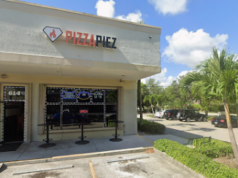
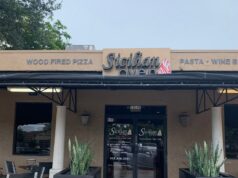
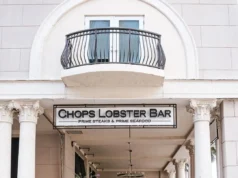
Deerfield-news.com-Deerfield Beach,Fl-October had many Deerfield Beach eateries being inspected the following are a few of Deerfields restaurants results.Michaels pizzeria like Amantes/Bobs has generally done well,some other not so much.
Antonios Restaurant in The Cove once again on “The Dirty In Deerfield” list.Come on Antonios you have been in town too long to run a dirty restaurant.
.
Licensee
Name:
ANTONIOS RESTAURANT
License Number:
SEA1615071
Rank:
Seating
License Expiration Date:
12/01/2016
Primary Status:
Current
Secondary Status:
Active
Location Address:
1636 SE 3 CT
DEERFIELD BEACH, FL 33441-4419
Inspection Information
Inspection Type
Inspection Date
Result
High Priority Violations
Intermediate Violations
Basic Violations
Routine – Food
10/17/2016
Follow-up Inspection Required Violations require further review, but are not an immediate threat to the public. More information about inspections.
1
6
7
Violations:
A summary of the violations found during the inspection are listed below. The department cites violations of Florida’s sanitation and safety laws, which are based on the standards of U.S. Food and Drug Administration’s Food Code. High Priority violations are those which could contribute directly to a foodborne illness or injury and include items such as cooking, reheating, cooling and hand-washing. Intermediate violations are those which, if not addressed, could lead to risk factors that contribute to foodborne illness or injury. These violations include personnel training, documentation or record keeping and labeling. Basic violations are those which are considered best practices to implement. While most establishments correct all violations in a timely manner (often during the inspection), the division’s procedures are designed to compel compliance with all violations through follow-up visits, administration action or closure when necessary.
Basic – Equipment in poor repair. Prep table has rust and large chunk missing from table in rear prep area. Rusted shelving in glass door Continental cooler in wait station.**Repeat Violation** **Repeat Violation**
High Priority – Raw animal food stored over ready-to-eat food. Raw chicken over artichoke in glass door cooler. Food moved and properly stored. **Corrected On-Site**
Intermediate – Certified Food Manager or person in charge lacks knowledge of employee health policy and health requirements. Reviewed Big Five. **Corrective Action Taken**
Intermediate – Commercially processed ready-to-eat, potentially hazardous (time/temperature control for safety) food opened and held more than 24 hours not properly date marked after opening. Ham and provolone cheese in walk in cooler not date marked open more then 24 hours, owner placed dates on items. **Corrected On-Site**
Intermediate – No proof of required state approved employee training provided for any employees. To order approved program food safety material, call DBPR contracted provider: Florida Restaurant and Lodging Association (SafeStaff) 866-372-7233.
A summary of the violations found during the inspection are listed below. The department cites violations of Florida’s sanitation and safety laws, which are based on the standards of U.S. Food and Drug Administration’s Food Code. High Priority violations are those which could contribute directly to a foodborne illness or injury and include items such as cooking, reheating, cooling and hand-washing. Intermediate violations are those which, if not addressed, could lead to risk factors that contribute to foodborne illness or injury. These violations include personnel training, documentation or record keeping and labeling. Basic violations are those which are considered best practices to implement. While most establishments correct all violations in a timely manner (often during the inspection), the division’s procedures are designed to compel compliance with all violations through follow-up visits, administration action or closure when necessary.
A summary of the violations found during the inspection are listed below. The department cites violations of Florida’s sanitation and safety laws, which are based on the standards of U.S. Food and Drug Administration’s Food Code. High Priority violations are those which could contribute directly to a foodborne illness or injury and include items such as cooking, reheating, cooling and hand-washing. Intermediate violations are those which, if not addressed, could lead to risk factors that contribute to foodborne illness or injury. These violations include personnel training, documentation or record keeping and labeling. Basic violations are those which are considered best practices to implement. While most establishments correct all violations in a timely manner (often during the inspection), the division’s procedures are designed to compel compliance with all violations through follow-up visits, administration action or closure when necessary.
High Priority – Employee touched bare body part and then engaged in food preparation, handled clean equipment or utensils, or touched unwrapped single-service items without washing hands. **Corrected On-Site**
High Priority – Potentially hazardous (time/temperature control for safety) food cold held at greater than 41 degrees Fahrenheit. Chicken 44°in cookline cooler, operator place ice on chicken. **Corrective Action Taken**
High Priority – Single-use gloves not changed as needed after changing tasks or when damaged or soiled. Cook touch his face with his glove. **Corrected On-Site**
A summary of the violations found during the inspection are listed below. The department cites violations of Florida’s sanitation and safety laws, which are based on the standards of U.S. Food and Drug Administration’s Food Code. High Priority violations are those which could contribute directly to a foodborne illness or injury and include items such as cooking, reheating, cooling and hand-washing. Intermediate violations are those which, if not addressed, could lead to risk factors that contribute to foodborne illness or injury. These violations include personnel training, documentation or record keeping and labeling. Basic violations are those which are considered best practices to implement. While most establishments correct all violations in a timely manner (often during the inspection), the division’s procedures are designed to compel compliance with all violations through follow-up visits, administration action or closure when necessary.
High Priority – Raw animal food stored over ready-to-eat food. Raw chicken over cooked gyro meat and fries at freezer at end of cookline. Foods moved and properly stored. **Corrected On-Site**