A summary of the violations found during the inspection are listed below. The department cites violations of Florida’s sanitation and safety laws, which are based on the standards of U.S. Food and Drug Administration’s Food Code. High Priority violations are those which could contribute directly to a foodborne illness or injury and include items such as cooking, reheating, cooling and hand-washing. Intermediate violations are those which, if not addressed, could lead to risk factors that contribute to foodborne illness or injury. These violations include personnel training, documentation or record keeping and labeling. Basic violations are those which are considered best practices to implement. While most establishments correct all violations in a timely manner (often during the inspection), the division’s procedures are designed to compel compliance with all violations through follow-up visits, administration action or closure when necessary.
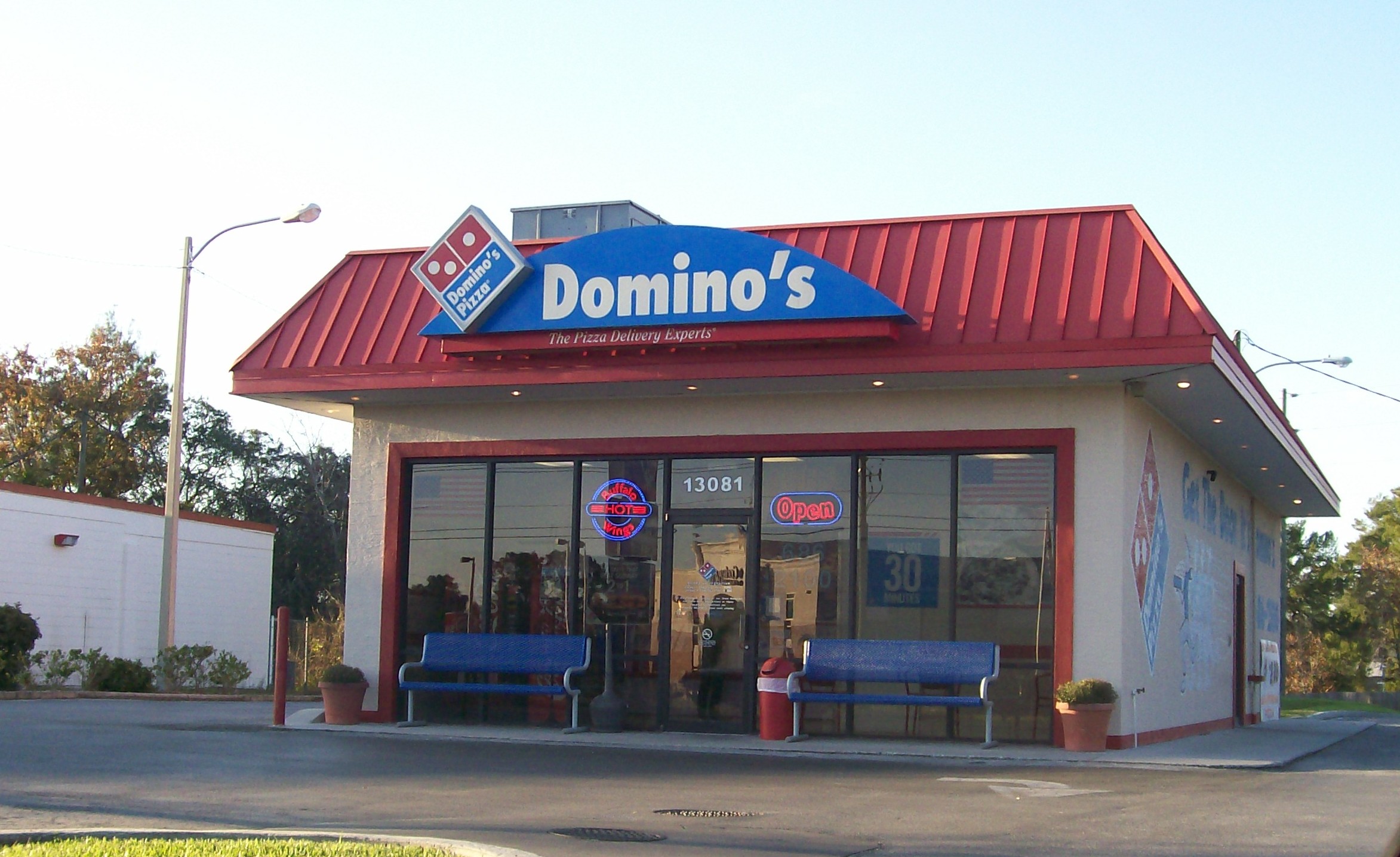
Basic – Employee beverage container on a food preparation table or over/next to clean equipment/utensils. In pizza cutting station. Drinks removed **Corrected On-Site**
Basic – Employee personal items stored with or above food, clean equipment and utensils, or single-service items. Keys on pizza cutting table. Keys removed. **Corrected On-Site**
Basic – In-use utensil in nonpotentially hazardous (non-time/temperature control for safety) food not stored with handle above top of food within a closed container. At cornmeal container. Handle elevated. **Corrected On-Site**
High Priority – Employee touched soiled surface and then engaged in food preparation, handled clean equipment or utensils, or touched unwrapped single-service items without washing hands. Employee went from using the phone to food preparation without washing hands first. Hands washed. **Corrected On-Site**
High Priority – Potentially hazardous (time/temperature control for safety) food cold held at greater than 41 degrees Fahrenheit. Sausage 46-52° F at pizza prep cooler . Food in cooler since 10 AM. Food not maintaining 41° F or below for longer than 4 hours. Food discarded. See Stop Sale. **Corrected On-Site**
High Priority – Stop Sale issued on potentially hazardous (time/temperature control for safety) food due to temperature abuse. Potentially hazardous (time/temperature control for safety) food cold held at greater than 41 degrees Fahrenheit. Sausage 46-52° F at pizza prep cooler . Food in cooler since 10 AM. Food not maintaining 41° F or below for longer than 4 hours.
Intermediate – Certified Food Manager or person in charge lacks knowledge of foodborne illnesses and symptoms of illness that would prevent an employee from working with food, clean equipment and utensils, and single-service items. Reviewed Big 5 with person in charge. **Corrective Action Taken**
Pizza Hut-Last Inspection Last year?
According to official State of Florida records Pizza Hut on West Hillsboro and Goolsby has not been inspected since.That said Pizza Huts inspection went much better than Dominos on West Hillsboro Blvd.
Name:
PIZZA HUT #55313
License Number:
NOS1614562
Rank:
Non-Seating
License Expiration Date:
12/01/2017
Primary Status:
Current
Secondary Status:
Active
Location Address:
1636 W HILLSBORO BLVD
DEERFIELD BEACH, FL 33442-1657
A summary of the violations found during the inspection are listed below. The department cites violations of Florida’s sanitation and safety laws, which are based on the standards of U.S. Food and Drug Administration’s Food Code. High Priority violations are those which could contribute directly to a foodborne illness or injury and include items such as cooking, reheating, cooling and hand-washing. Intermediate violations are those which, if not addressed, could lead to risk factors that contribute to foodborne illness or injury. These violations include personnel training, documentation or record keeping and labeling. Basic violations are those which are considered best practices to implement. While most establishments correct all violations in a timely manner (often during the inspection), the division’s procedures are designed to compel compliance with all violations through follow-up visits, administration action or closure when necessary.